SGP.32 SIM — GSMA-Compliant eSIM for IoT Remote Provisioning
Overview
ISIMConnect’s SGP.32 SIM is a GSMA-standard SIM and eSIM built specifically for IoT remote provisioning. It implements GSMA’s SGP.32 specification — the current standard for IoT and M2M remote SIM provisioning — enabling operator profiles to be downloaded, activated, and managed over the air after devices are already deployed in the field. It is available in both plastic SIM and eSIM form factors and works with major Indian and global network operators including Airtel, Jio, Vodafone, and BSNL.
What Is GSMA SGP.32, and Why Does It Matter for IoT?
GSMA SGP.32 is the current industry standard for remote SIM provisioning (RSP) in IoT and M2M devices. It is the successor to SGP.02 (the earlier M2M RSP standard) and was designed specifically for the challenges of large-scale IoT deployments — asynchronous operation, low-power devices, and device fleets that cannot be provisioned interactively.
The practical difference from older standards: a device using SGP.32 does not need to be online at the exact moment a profile update is triggered. The update queues in the eIM (eSIM IoT Remote Manager) and is applied the next time the device connects — making it suited for low-power sensors, intermittently connected devices, and remote industrial hardware.
How SGP.32 Remote Provisioning Works
The device is manufactured or deployed with an ISIMConnect SGP.32 SIM — either plastic SIM or eSIM (MFF2).
On first power-on, the SIM uses a bootstrap profile to connect to the network and contact the ISIMConnect eIM (eSIM IoT Remote Manager).
The eIM pushes the designated operator profile to the device over the air — no technician visit, no physical SIM replacement.
As deployment needs change (carrier switch, regional expansion, plan upgrade), new profiles are pushed remotely via the eIM without any physical access to the device.
All profile transactions are encrypted and authenticated, compliant with GSMA SGP.32 security requirements.
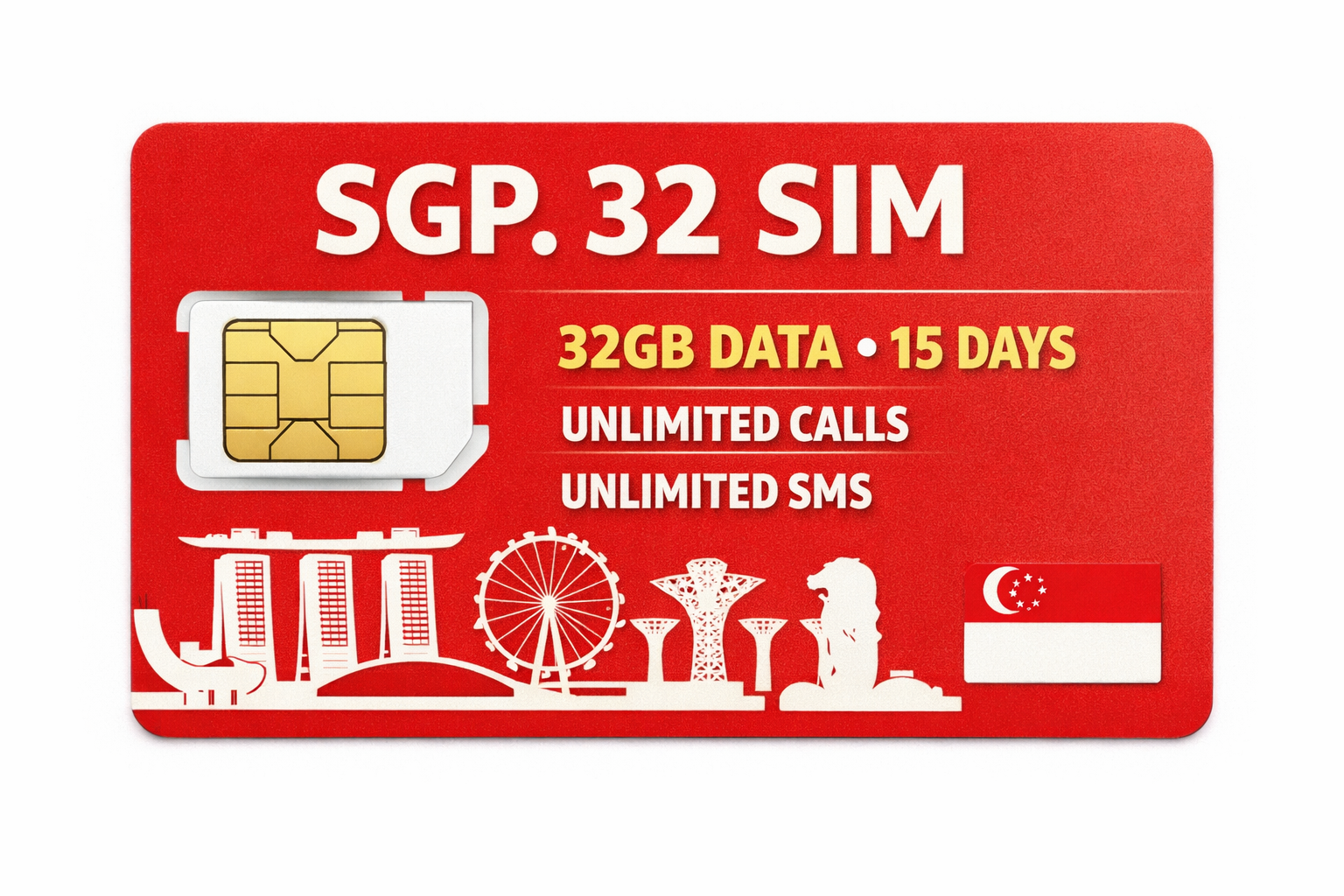
Available Form Factors
SGP.32 Plastic SIM – Devices with physical SIM slots needing GSMA-standard remote provisioning
SGP.32 eSIM – Compact, embedded, or ruggedized hardware — MFF2 chip, soldered to circuit board
Supported Network Operators
ISIMConnect’s SGP.32 platform supports profile provisioning on:
Airtel — M2M and enterprise IoT connectivity
Jio — enterprise M2M and IoT
Vodafone Idea — enterprise M2M connectivity
BSNL — M2M enterprise deployments
Global operator support for cross-border deployments via roaming partnerships
Key Features
GSMA compliance – SGP.32 (current IoT RSP standard)
Profile management – Remote download, activation, and switch via eIM
Operation mode – Asynchronous — works with low-power and intermittent devices
Security – GSMA SGP.32-compliant encrypted profile transactions
Network compatibility – Airtel, Jio, Vodafone, BSNL + global operators
Form factors – Plastic SIM (2FF/3FF/4FF) and eSIM (MFF2)
Management platform – ISIMConnect eIM + Connection Management Platform
Common Use Cases
Smart metering networks requiring centralized, remote profile management at scale
Fleet telematics and vehicle tracking across multiple operator regions
Industrial automation and remote monitoring in locations with no physical access
Asset tracking and logistics across national and international borders
EV charging infrastructure requiring long-term, remotely managed connectivity
Smart city infrastructure including environmental sensors and connected utilities
Connected healthcare devices requiring secure, auditable SIM lifecycle management
Why Choose ISIMConnect for SGP.32 Deployment
GSMA SGP.32-compliant SIM and eIM infrastructure — not a reseller arrangement
Both plastic SIM and eSIM form factors available from the same provider
SIM personalization at SAS-accredited facilities under GSMA security protocols
Direct operator partnerships with Airtel, Jio, Vodafone, and BSNL — no third-party reseller markup
Connection Management Platform for centralized monitoring of deployed SIM fleets
API access for activation, profile management, and lifecycle integration into enterprise platforms
Frequently Asked Questions
Q: What is GSMA SGP.32 and why is it different from other eSIM standards?
A: GSMA SGP.32 is the current standard for IoT and M2M remote SIM provisioning, published by the GSMA. It is the successor to SGP.02 (earlier M2M RSP) and is designed for IoT-specific challenges — asynchronous operation, low-power devices, and large device fleets. Unlike SGP.22 (consumer eSIM), SGP.32 does not require user interaction and supports devices that are only intermittently connected.
Q: Do I need an eIM to use SGP.32 SIM?
A: Yes. eIM (eSIM IoT Remote Manager) is the orchestration server required for SGP.32 profile management. ISIMConnect provides eIM as a separate product that works alongside SGP.32 SIM — the two are designed to be deployed together. See the eIM product page for details.
Q: What is the difference between SGP.32 Plastic SIM and SGP.32 eSIM?
A: Both implement the same GSMA SGP.32 remote provisioning standard. The Plastic SIM fits a standard removable SIM slot (2FF/3FF/4FF). The eSIM is an MFF2 surface-mount chip soldered to the circuit board, suited for compact, ruggedized, or tamper-resistant hardware where a removable SIM is not practical.
Q: Can SGP.32 SIM replace the Multi-IMSI SIM I’m currently using?
A: It depends on your needs. If you need to change operator profiles after devices are in the field, SGP.32 is more capable. If your devices just need to connect to the best available network from multiple pre-loaded profiles, Multi-IMSI SIM is simpler and does not require eIM infrastructure. The two products are not interchangeable — they solve different problems.
Q: Which network operators does ISIMConnect’s SGP.32 platform support?
A: Airtel, Jio, Vodafone Idea, and BSNL for Indian deployments, plus global operator support for cross-border IoT deployments through roaming partnerships.
Q: Is ISIMConnect’s SGP.32 SIM available outside India?
A: Yes. While ISIMConnect’s direct operator partnerships are primarily with Indian carriers, the SGP.32 platform supports global roaming and cross-border deployments, making it suitable for IoT fleets operating across multiple countries.